
NOTE: This is an update on events I’ve previously described, first HERE and then HERE.
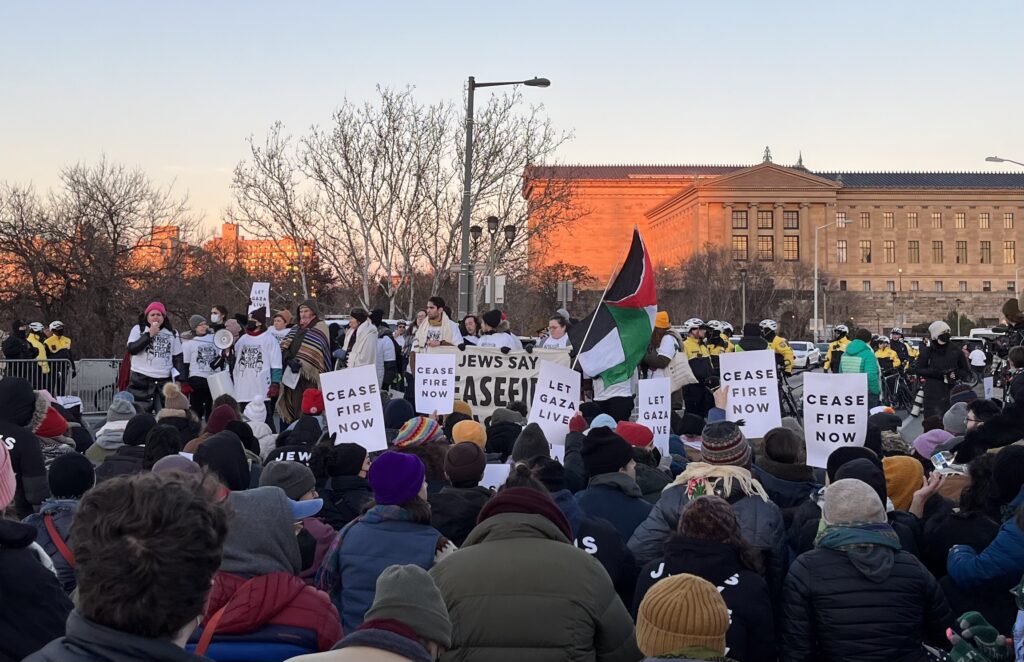
On October 7, 2023, over 1,000 Israelis died at the hands of Hamas militants and 200 more were taken hostage. Immediately thereafter, Israel began an unrelenting bombardment and siege of Gaza in a military campaign that’s been condemned—almost universally—as disproportionate and indiscriminate. At the same time, leading Israeli government officials issued calls for vengeance and collective punishment against the Palestinian people. To date, over 26,000 Gazans have been killed (most of them women and children), tens of thousands more have been injured, hundreds of thousands now face starvation, and nearly all the residents of Gaza have been displaced from their homes (most of which have been destroyed, along with most schools and medical facilities). And just last week, the International Court of Justice ruled that it’s plausible Israel is perpetrating genocide against Palestinians in Gaza.
Back in late October, several leaders of the American Psychological Association’s Society for the Study of Peace, Conflict, and Violence (Division 48: Peace Psychology) drafted and endorsed a short statement, with the intention of having the division join the worldwide call for a ceasefire in Gaza. Their statement was entirely consistent with the division’s commitment to “the advancement of peace, non-violent conflict resolution, reconciliation, and the prevention of war and other forms of destructive conflict.” It highlighted the U.N. Secretary General’s own appeal for a humanitarian ceasefire, the release of hostages, and the delivery of relief to Gaza in order to curtail “an unfolding catastrophe.” It emphasized that there’s no military solution to the crisis, and that there can be no peace without justice. And it urged world leaders to help end the unimaginable suffering in Gaza.
Continue reading “How Can Peace Psychologists Not Call for a Humanitarian Ceasefire?”
 This past May, in recognition of the 25th anniversary of the United Nations International Day in Support of Torture Victims, the executive committee of the Society for the Study of Peace, Conflict, and Violence (Division 48 of the American Psychological Association) voted to endorse a brief